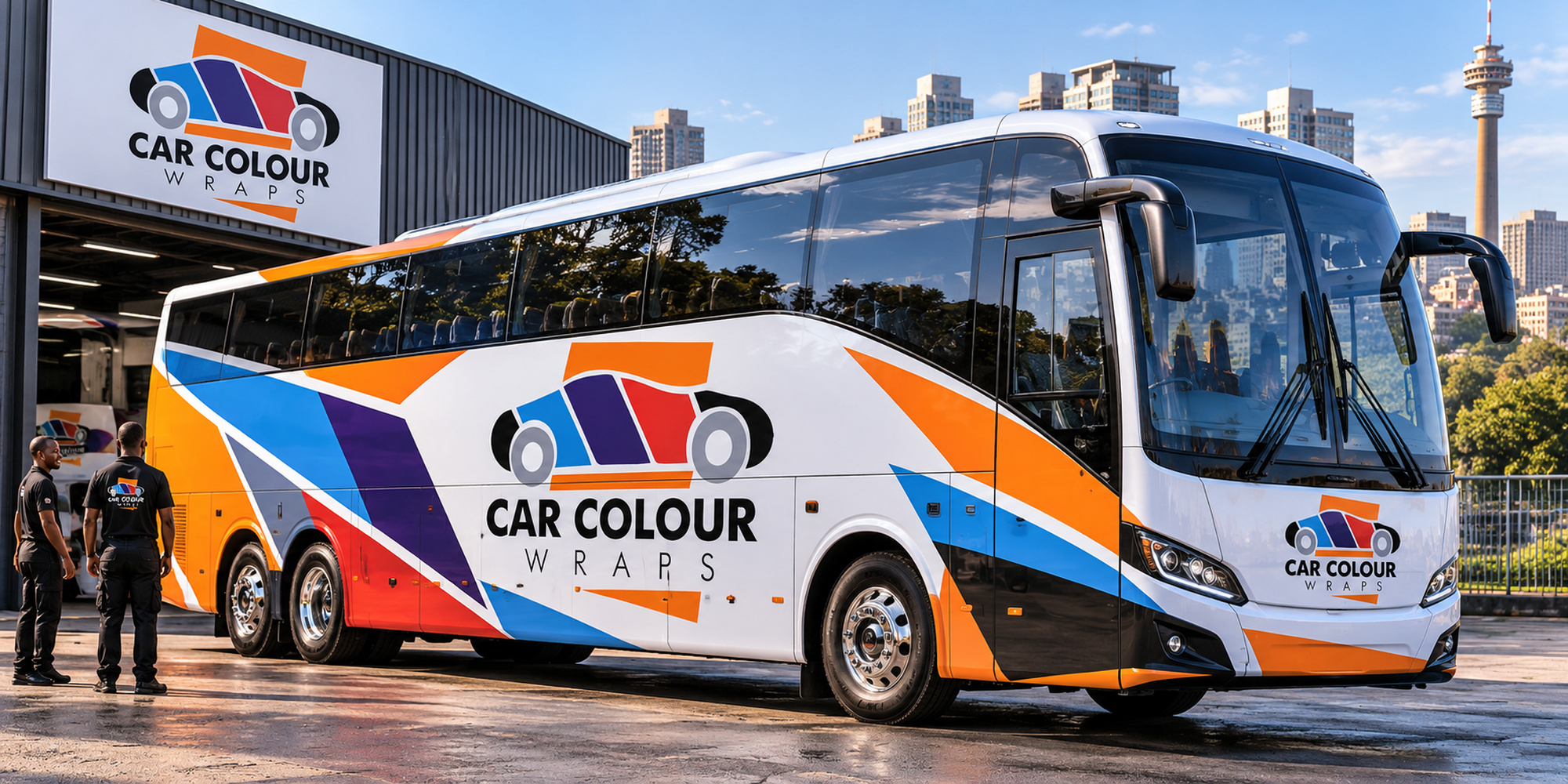
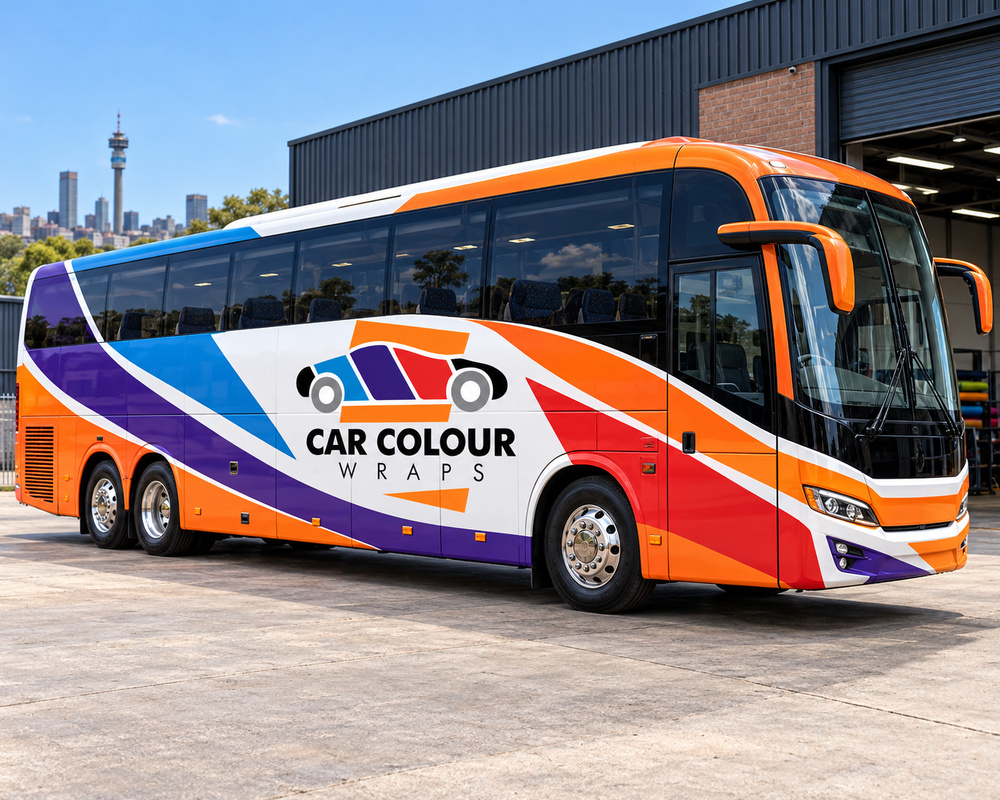
Train branding uses printed and cut vinyl to change how passenger coaches and locomotives look, inside and out. It can range from an operator’s logo and livery stripes to a full advertising campaign along the length of a coach.
It suits rail operators, advertisers buying space on rolling stock, and tourism or heritage rail businesses that want a distinctive look without repainting. All work is planned around the operator’s depot, safety and engineering requirements.
About this service
Rolling stock is large, mostly flat and mostly repetitive, which makes it well suited to vinyl. The challenge is access and control. Work normally takes place at the operator’s depot or yard, on stabled rolling stock that has been isolated according to the operator’s procedures. Teams usually need a safety induction, permits to work, and sometimes escorts, and work around overhead electrical equipment is restricted. Installation location and access are arranged per project with the operator, as this work is carried out on site rather than at our Rivonia workshop.
Exterior graphics have to leave clear the items the operator needs: vehicle numbers, safety and emergency markings, door controls, coupling and access points, and lights. Window graphics are restricted. The driver’s cab windows must stay clear, and passenger window film is used only where the operator allows it and where it does not interfere with emergency exits or visibility. Perforated window film may be an option on selected passenger windows, subject to operator approval.
Inside a coach, vinyl can be applied to wall panels, partitions, doors and ceiling areas to carry branding, route maps or campaign messages, provided the material meets the operator’s interior and fire-safety specifications. On routes exposed to graffiti, a graffiti-resistant laminate can be specified, subject to availability. It makes cleaning easier, but it does not prevent graffiti or damage.
Suitable vehicles and common uses
- Passenger coaches used on commuter or long-distance routes
- Locomotives carrying an operator’s livery or campaign graphics
- Tourism and heritage trains wanting a distinctive themed look
- Coach interiors for route maps, brand panels and campaign messages
- Advertisers buying exterior space on rolling stock through the operator
- Depot buildings and staff areas that should match the fleet branding
Available options
- Full-side printed coach wraps for advertising campaigns
- Livery stripes, logos and lettering in cut vinyl, using 3M or Avery Dennison film where suitable, subject to material availability
- Locomotive nose and side branding, planned around lights, numbers and safety markings
- Graffiti-resistant laminates for exposed exteriors, subject to availability
- Perforated window graphics on approved passenger windows only
- Interior wall, door and partition graphics in materials that meet the operator’s specification
- Short-term campaign graphics designed for straightforward removal
Options depend on the material available at the time of your project and on your vehicle. We confirm exactly what is possible in your quotation.
Why choose it
- Large, continuous surfaces give an advertiser or operator a highly visible canvas
- Branding can change with campaigns without repainting the rolling stock
- Damaged sections can be replaced from the same artwork file
- Interior graphics can carry useful information as well as branding
- Work can be phased around the operator’s availability of rolling stock
Things to consider
- Depot access, isolation and permits control when and where work can happen
- Driver’s cab windows cannot be covered, and passenger window graphics need operator approval
- Safety markings, numbers and access points limit layout freedom
- Graffiti-resistant laminates help with cleaning but do not stop vandalism
- Heavy industrial grime, brake dust and harsh cleaning products shorten the clean look of any graphic
Preparation and installation process
- Operator brief and requirements. We collect the operator’s engineering, safety and interior material requirements, plus drawings or photos of the rolling stock class.
- Depot survey. Where access allows, we measure a representative vehicle and note markings, doors, grilles and surface condition, along with the depot’s permit and induction rules.
- Artwork and approval. Designs are laid out to scale on the vehicle template and submitted to the operator for approval, including window and marking clearances.
- Production. Approved panels are printed or cut and laminated, then packed in the order they will be installed along each vehicle.
- Installation at the depot. The installation team completes the operator’s induction and works only on rolling stock released and isolated under its procedures. Surfaces are cleaned and graphics applied section by section.
- Inspection and handover. Graphics are checked with the operator’s representative, and clearances around markings and windows are confirmed before the vehicle returns to service.
What affects the price
- Number of coaches or locomotives, and how much of each is covered
- Exterior, interior or both, and the material specification for each
- Graffiti-resistant or other specialist laminates
- Depot access conditions, shift restrictions, permits and escort requirements
- Surface condition and cleaning or removal of old graphics
- Artwork design, approval rounds and template work for each rolling stock class
Every vehicle is different, so we quote each job individually. Your final quotation depends on the vehicle, the material, how much of the vehicle is covered, any artwork, and the condition of the paint once we have assessed it.
Turnaround
Timing depends mainly on when the operator can release rolling stock, the depot’s access windows and shift rules, how long permits and inductions take to arrange, approval of artwork and materials, and the number of vehicles in the programme. Larger programmes are usually phased vehicle by vehicle. Timing is confirmed with the quote once the operator’s schedule is known.
Care and maintenance
- Use cleaning products and brushes approved by the operator for vinyl and laminate surfaces
- Avoid aggressive solvent graffiti removers unless they are confirmed safe for the laminate
- Keep high-pressure cleaning away from graphic edges and seams
- Report lifting edges after cleaning cycles so they can be resealed
- Inspect interior graphics for scuffs and tears at doors and high-traffic areas
Frequently asked questions
Can you brand a train at your workshop?
No. Rolling stock is branded at the operatoru2019s depot or yard, on vehicles released and isolated under its procedures. Installation location and access are arranged per project.
Can the windows be covered with graphics?
The driveru2019s cab windows must stay clear. Perforated film may be possible on selected passenger windows if the operator approves it and it does not affect emergency exits or required visibility.
Will graffiti-resistant laminate stop taggers?
No laminate prevents graffiti. A graffiti-resistant laminate, where available, is designed to make some paints easier to clean off, which helps keep the branding presentable.
Do interior graphics need special materials?
Usually, yes. Operators typically set interior material and fire-safety specifications for passenger areas. We source materials to meet the specification the operator provides, subject to availability.
Can campaign graphics be removed when the campaign ends?
Yes. Campaign graphics can be planned for removal and replacement, and removal is scheduled through the operator like the original installation. How cleanly they come off depends on the surface condition and how long they have been exposed.
Areas we serve
Customers bring their vehicles to our workshop in Rivonia, Sandton from across Gauteng. All installations take place at the workshop.